
Raagam and Dwesham — attachment and aversion — are the two invisible forces that silently control the human mind, pulling it away from the peace it so deeply longs for. HH Beloved Jaimahavibhoshri Ji, in satsang (spiritual gathering) teachings spanning decades, has illuminated these forces with rare clarity. Understanding them is not just philosophy — it is the first step toward genuine inner freedom.
- The Two Hidden Forces Behind Every Restless Mind
- Understanding Raagam and Dwesham — The Trap of Attachment
- Dwesham — The Chain Forged From Pain
- How Raagam and Dwesham Work Together to Keep You Bound
- The Sadhana Message — Three Qualities That Transform Everything
- The Yogic State — Peace as Your Natural Being
🔑 Key Takeaways
- Raagam and Dwesham are the twin forces of attachment and aversion that bind the human mind.
- Raagam (attachment/Asakti — the clinging to pleasurable experiences) creates bondage through uncontrolled desire.
- Dwesham (aversion/Ayishtam — hatred or repulsion toward painful experiences) fuels anger and restlessness.
- Both forces produce the same result: a suffering, restless mind disconnected from peace.
- Samatvam (equanimity — the state of inner balance) is the path HH Beloved Jaimahavibhoshri Ji teaches as the true way out.
The Two Hidden Forces Behind Every Restless Mind
Most people spend their lives chasing what feels good and running from what hurts. This is the very pattern that HH Beloved Jaimahavibhoshri Ji describes as the root of human suffering in his Guru Ji satsang teachings. It is not life that binds us — it is our unconscious reaction to life through Raagam and Dwesham.
This spiritual vision on human suffering is sometimes called Adhyatmika Drishti (a deep inner seeing, a spiritual perspective that reveals the truth beyond appearances). When we look at our minds through this lens, the pattern becomes unmistakable.
Understanding Raagam and Dwesham — The Trap of Attachment
Raagam, or Asakti (the Sanskrit and Telugu term for clinging attachment), begins innocently. You enjoy something — a relationship, an achievement, a feeling — and naturally want more of it. HH Beloved Jaimahavibhoshri Ji teaches that this is where the trap quietly opens.
“The mind does not suffer from pleasure itself — it suffers from the grip it forms around pleasure, believing it cannot be whole without it.” — HH Beloved Jaimahavibhoshri Ji
The cycle of Raagam and Dwesham in the context of attachment looks like this:
- Craving a pleasurable experience and chasing it repeatedly
- Growing inability to let go when the pleasure fades
- Increasing desire — “more” never feels like enough
- Deep restlessness when the craving goes unfulfilled
This is what Hindu mind philosophy and the broader tradition of Indian spirituality call the bondage of desire — freeing the mind from desire is not about suppression, but about seeing desire clearly.
Dwesham — The Chain Forged From Pain
Where Raagam grips the mind through pleasure, Dwesham (aversion, resentment, or Ayishtam — the deep push-away from pain) grips it through pain. HH Beloved Jaimahavibhoshri Ji explains that painful experiences are unavoidable. What damages the mind is not the pain itself, but what we do with it afterward.
“Do not dwell on pain and grow hatred. Learn wisdom from pain — this is the only way pain becomes your teacher rather than your prison.” — HH Beloved Jaimahavibhoshri Ji
The symptoms of Dwesham are familiar to every seeker:
- Replaying hurtful memories long after they have passed
- Developing anger, resentment, or desire for revenge
- Becoming critical, intolerant, and emotionally reactive
- A mind that cannot rest — always defending, always guarding
How Raagam and Dwesham Work Together to Keep You Bound
Here is the deeper truth from HH Beloved Jaimahavibhoshri Ji’s workshop wisdom: Raagam and Dwesham are not opposites. They are partners in binding the mind. The pleasure-pain pendulum swings endlessly — chasing what feels good, resisting what feels bad — and the mind never finds solid ground.
This is what raga dvesha in Hinduism and the attachment aversion spiritual path both point toward — not as concepts, but as living patterns inside every human being. You cannot win the game by chasing better pleasures or avoiding more pain. The game itself must be seen clearly.
The Sadhana Message — Three Qualities That Transform Everything
HH Beloved Jaimahavibhoshri Ji’s Sadhana Sandesh (sacred practice message) names three active qualities that dissolve both Raagam and Dwesham:
- Kshama (forgiveness — the conscious release of stored resentment) — Not for the other person’s sake, but to set your own mind free.
- Karuna (compassion — the opening of the heart beyond reaction) — Seeing pain, in yourself and others, without judgment or hardening.
- Samatvam (equanimity — the steady, balanced mind that is present without clinging or resisting) — The ground from which true peace grows.
“Samatvam is the path to peace — and peace itself is the state of Yoga.” — HH Beloved Jaimahavibhoshri Ji
Equanimity is not emotional numbness. It is the ability to be fully present with pleasure without being enslaved by it, and with pain without being destroyed by it. Explore this teaching further on The Celebrating Path of Enlightenment.
The Yogic State — Peace as Your Natural Being
When the mind is freed from the constant pull of Raagam and Dwesham, something remarkable happens — it returns to its own natural stillness. This is what HH Beloved Jaimahavibhoshri Ji calls the state of Yoga: not a posture, but a quality of pure consciousness. How to overcome attachment is not a distant spiritual goal — it begins the moment awareness itself becomes steady.
This is the heart of how to overcome attachment and what it means to practice Adhyatmika Drishti (a spiritually awakened way of seeing). The pure mind does not need to be constructed. It simply needs to be uncovered.
Frequently Asked Questions
What is the difference between Raagam and Dwesham?
Raagam and Dwesham represent two opposite yet equally binding mental forces. Raagam is attachment — the clinging to pleasurable experiences. Dwesham is aversion — the pushing away of painful
Explore Our Spiritual Resources
Raagam and Dwesham: 5 Sacred Truths That Powerfully Reveal How Attachment and Aversion Bind the Mind

Premamaya MahaaGuru Ji’s profound Adhyatmika Drishti reveals how Raagam (attachment) and Dwesham (aversion) are the twin forces that keep the human mind in bondage. Explore 5 sacred insights to recognise, understand, and transcend these powerful mental chains on your path to enlightenment.
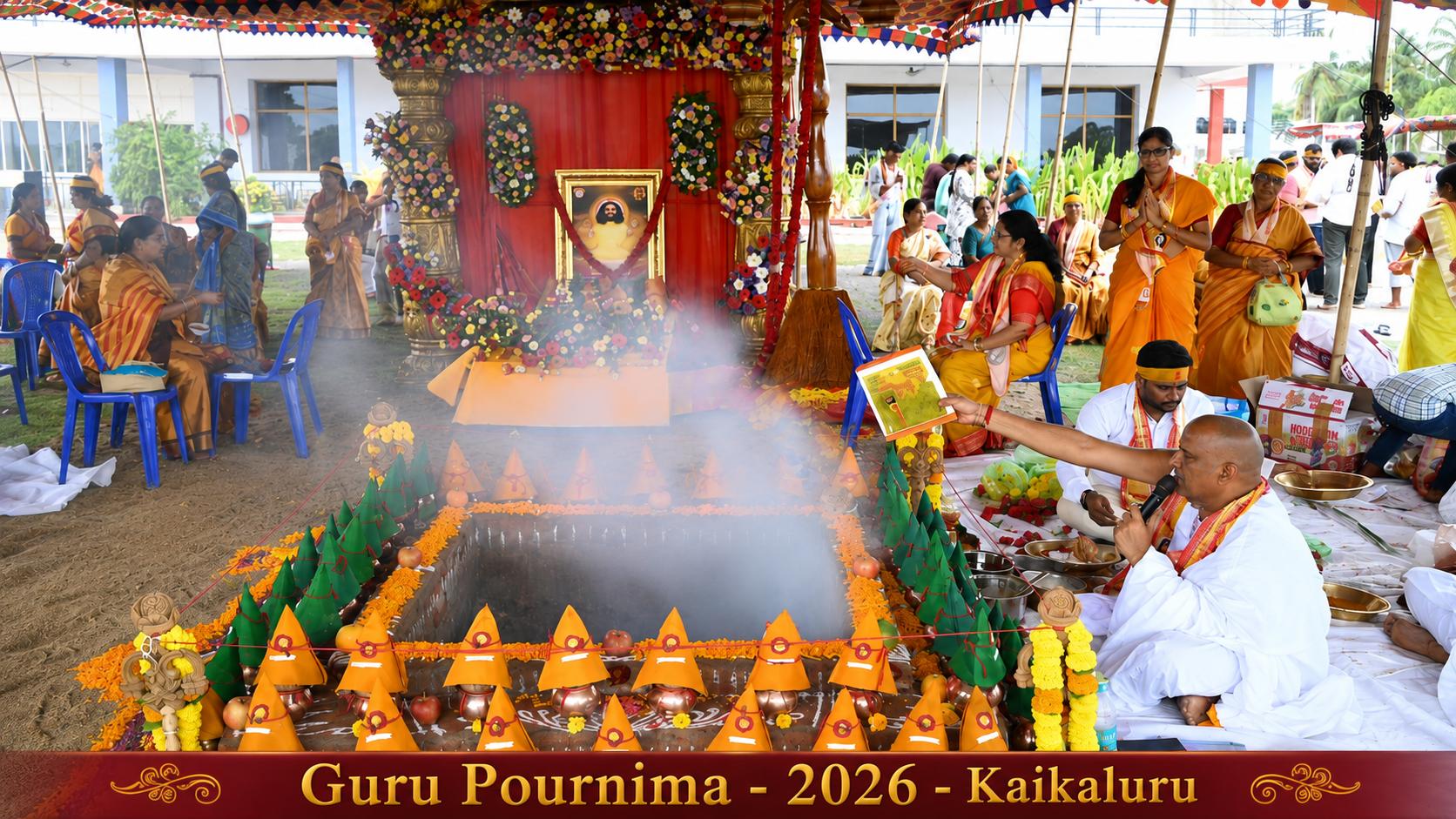
Guru Pournima Celebration – 2026 At Kaikaluru
The Guru Purnima Celebration – 2026 at Kaikaluru is a grand sacred gathering filled with ancient rituals, soul-stirring bhajans, and transformative spiritual blessings. Join thousands of devotees on July 29, 2026, for an inspiring community satsang experience you will carry in your heart forever.
Guru Purnima Mahotsavam – 2026 At Utnoor
Guru Purnima Mahotsavam – 2026 at Utnoor was a breathtaking celebration of devotion, unity, and sacred tradition that drew thousands of seekers to one holy gathering. From the divine Yagnam to soul-stirring bhajans and Guru blessings, this mahotsavam left every heart transformed.